Wildlife viewing in Lamar Valley: when, where, and safety tips
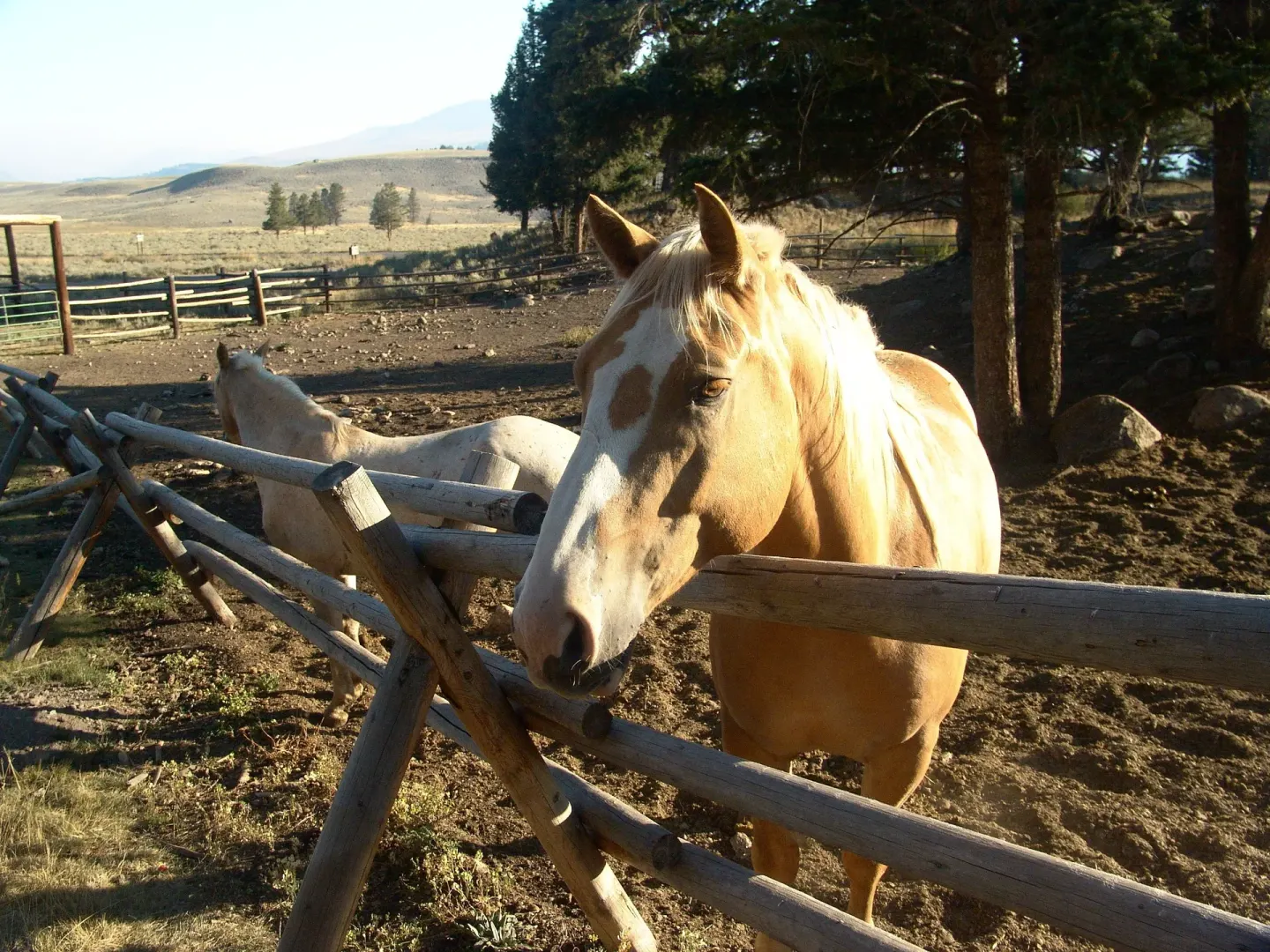
Lamar Valley is best for wildlife viewing at dawn and dusk from late spring through early fall; stay at Roosevelt Lodge & Cabins for immediate access to the Tower–Roosevelt corridor and quick drives into Lamar Valley. Follow park rules, keep distance from animals, and plan early mornings or evenings for the highest chance of seeing wolves, bison, elk, and bears.
In this guide
- When to go: best months and seasonal notes
- Where to watch in Lamar Valley and nearby viewing spots
- Best times of day and how animals behave
- Wildlife safety: rules and practical tips
- Practical viewing tips and gear to bring
- Staying at Roosevelt Lodge & Cabins: logistics and local guidance
- On-site rules that affect wildlife viewing
When to go: best months and seasonal notes
The lodge and cabins operate seasonally, typically from early June through early September, so that period is the simplest time to plan a visit. July and August have the most reliable warm weather but also the largest crowds.
Late spring (June) offers wildflowers and active animals as the park comes out of winter; early September often combines thinner crowds, cooler temperatures, and good wildlife activity.
Road openings and exact seasonal dates vary by year, so check current park and lodge schedules before travel.
- Early June: wildflowers, increasing wildlife activity, variable crowds
- July–August: best summer weather, heaviest crowds
- Early September: fewer people, cooler mornings, good viewing
| Season | What to expect |
|---|---|
| June | Wildflowers, moderate crowds, variable weather |
| July–Aug | Warmest weather, busiest roads and viewing areas |
| Early Sept | Cooler mornings, thinning crowds, active wildlife |
Where to watch in Lamar Valley and nearby viewing spots
Lamar Valley itself is the primary wildlife corridor east of Tower Junction; from Roosevelt Lodge & Cabins you have quick access to the valley for morning and evening viewing drives. Key pullouts along the valley and the Lamar River banks are common places to see bison, elk, bears, and, when present, wolf packs.
Calcite Springs Overlook and the Yellowstone and Lamar rivers near Tower Junction are also convenient short drives from the lodge for scanning open meadow and riparian edges.
Because animal locations change, plan to use several pullouts and be prepared to move slowly and quietly between them.
- Lamar Valley pullouts and roadside meadows — primary viewing corridor
- Lamar River and Yellowstone River banks near Tower Junction — short drives
- Calcite Springs Overlook — quick viewpoint toward the Grand Canyon drainage
| Spot | Distance from Roosevelt Lodge & Cabins (approx) |
|---|---|
| Lamar Valley | Immediate access east of Tower Junction |
| Lamar River | A few minutes’ drive |
| Calcite Springs Overlook | Around a short drive from the lodge |
Best times of day and how animals behave
Early morning and late evening are peak times for wildlife activity in Lamar Valley, when temperatures are cooler and animals are most active. Midday viewing is possible but often less productive, especially in summer heat.
Different species have different habits: bison and elk often graze in meadows during daylight; predators such as wolves and bears are most likely to be active at dawn or dusk. Observing from a distance and remaining patient increases your chance of seeing natural behaviors.
- Dawn (sunrise to ~2 hours after): highest chance for predators and active grazers
- Dusk (~2 hours before to after sunset): another prime window for activity
- Midday: good for incidental sightings; animals may bed down in shade
| Time | Typical activity |
|---|---|
| Dawn | High activity—wolves, bears, bison movement |
| Midday | Lower visible activity; animals rest in shade |
| Dusk | Increased movement again—good predator watching |
Wildlife safety: rules and practical tips
Always maintain the legally required distance from wildlife and follow park instructions. The National Park Service enforces safe viewing distances; do not approach animals under any circumstances.
Vehicles function as a safe viewing platform if you remain inside; do not exit your car in areas with large animals nearby unless in a designated pullout well away from animals.
- Stay at least 100 yards from bears and wolves and at least 25 yards from bison and elk (follow current NPS guidance).
- Use binoculars or spotting scopes instead of approaching on foot.
- Never feed, touch, or attempt to lure wildlife—feeding is illegal and unsafe.
- If animals are on or near the road, stay in your vehicle or move to a safe distance; do not block traffic to get closer.
- Keep pets leashed and do not take them onto trails or into areas where wildlife congregates (the lodge has specific pet rules for pet-friendly cabins).
| Situation | What to do |
|---|---|
| Spotting wolves at a distance | Stay in vehicle, use optics, do not attempt to follow on foot |
| Bison on the road | Remain in vehicle, wait or carefully back away to safe distance |
| Bear seen nearby | Do not exit vehicle, leave area slowly if animals move toward you |
Practical viewing tips and gear to bring
Bring a good pair of binoculars or a spotting scope and a camera with a telephoto lens if you plan to photograph wildlife from a distance. Dress in layers—mornings and evenings can be cool even in summer.
Roadside viewing can involve waiting at pullouts; pack water, snacks, and a camp chair for comfort. Cell service is limited at the lodge, so download maps or check conditions before you go.
- Binoculars (8–10x) or spotting scope with tripod
- Layered clothing, hat, and sun protection
- Water, snacks, and a low chair for roadside viewing
- Map or downloaded route info—cell coverage is unreliable
| Item | Why bring it |
|---|---|
| Binoculars/spotting scope | See animals without disturbing them |
| Layered clothing | Temperature swings at dawn/dusk |
| Water and snacks | Comfort during long waits at pullouts |
Staying at Roosevelt Lodge & Cabins: logistics and local guidance
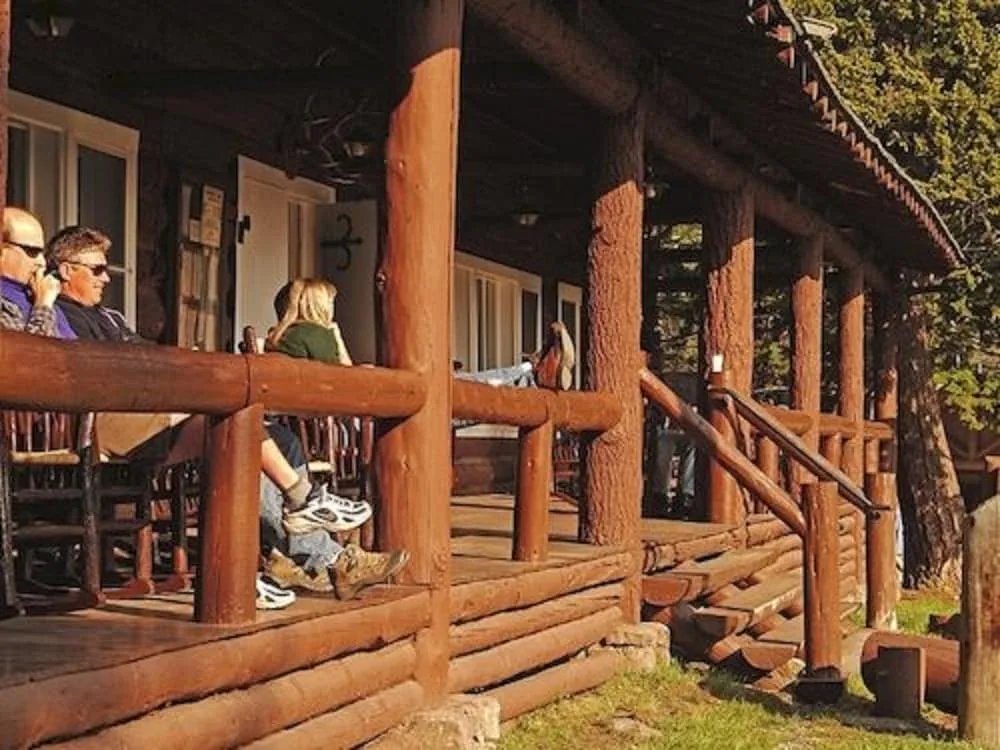
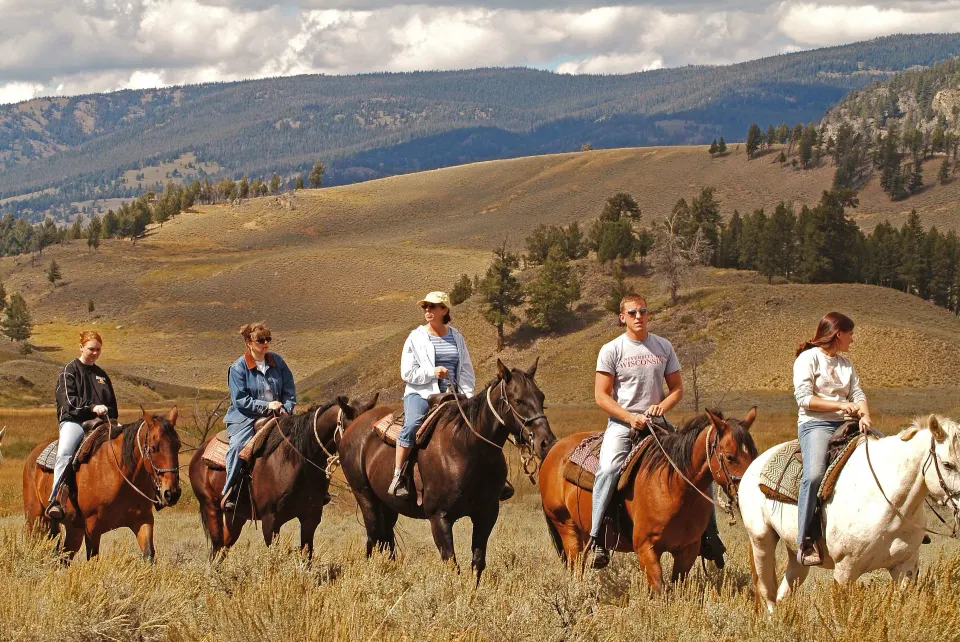
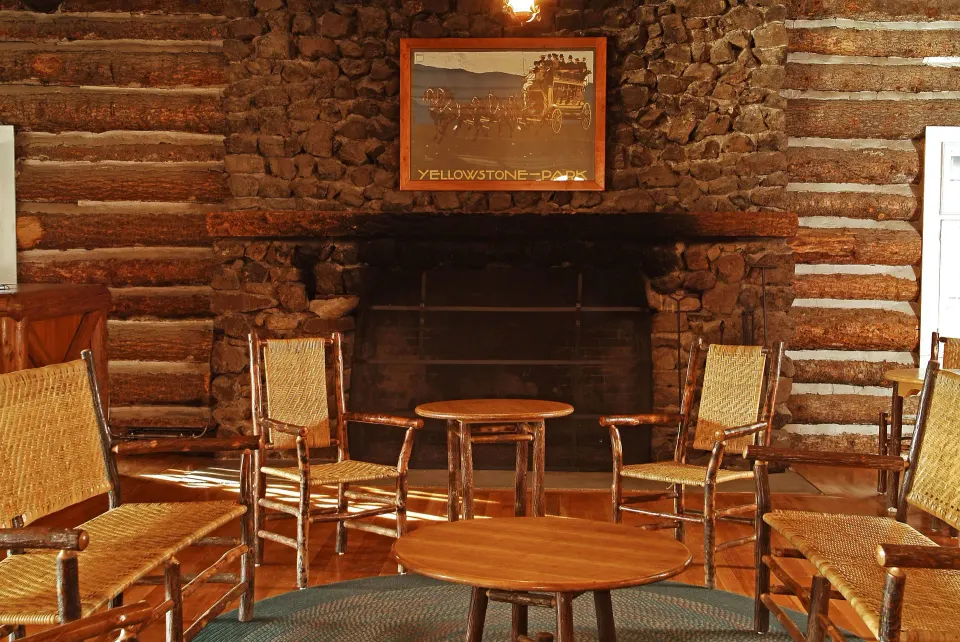
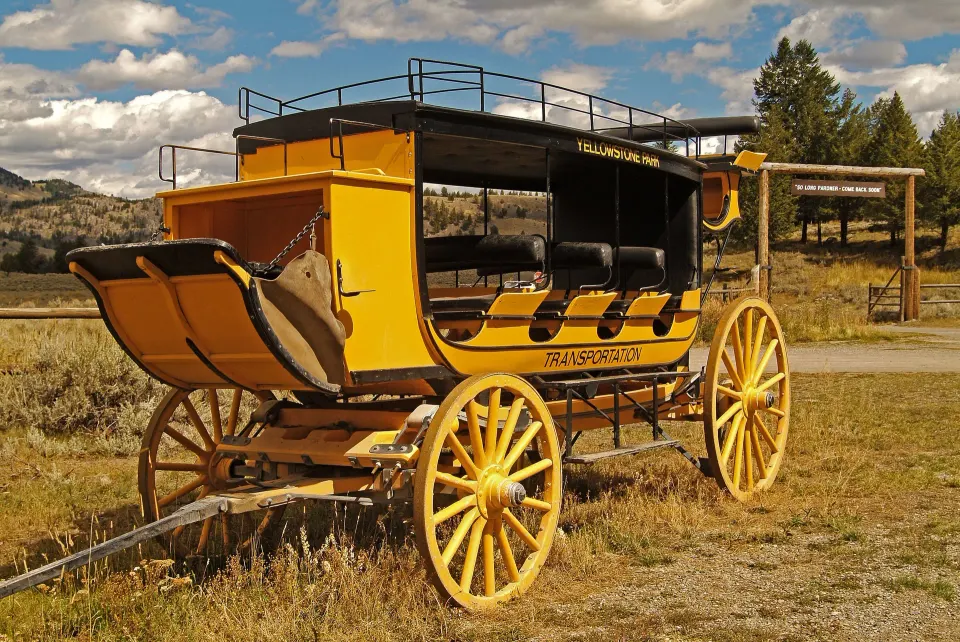
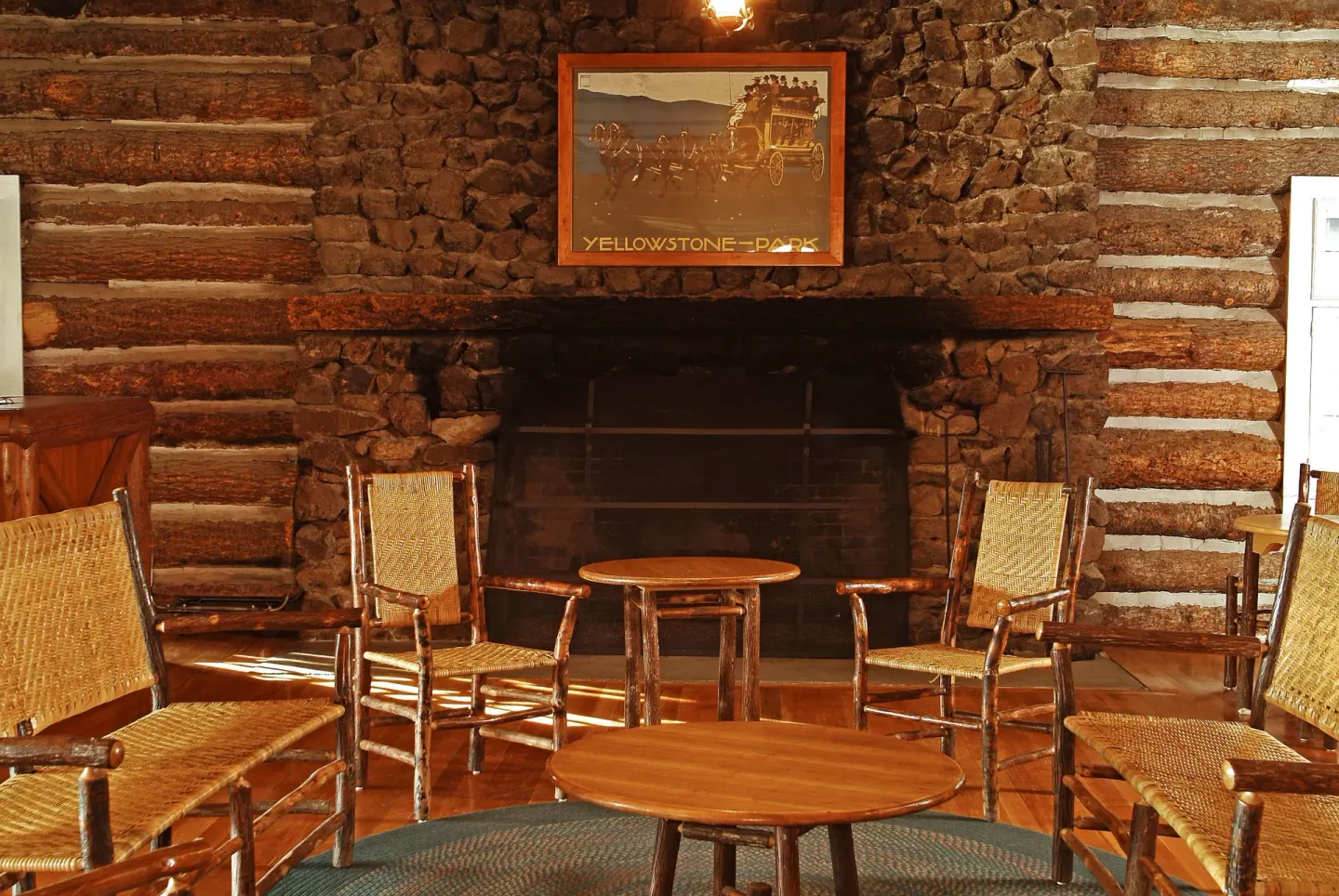
Roosevelt Lodge & Cabins sits at Tower Junction with short drives to the Yellowstone and Lamar rivers and easy access to Lamar Valley; the property offers Frontier Cabin and Roughrider Cabin room types, seasonal dining in the Roosevelt Lodge Dining Room & Saloon, and a corral for horseback and stagecoach experiences.
Plan cabin logistics around early starts: check-in begins at 4:00 PM and check-out is before 11:00 AM; the property operates seasonally, so confirm dates before booking. The dining room is first-come, first-seated, and the Old West Dinner Cookout requires advance reservations.
- Room types: Frontier Cabin (two double beds, private bathroom) and Roughrider Cabin / No Bath (shared bathhouses).
- No in-room Wi‑Fi or air conditioning; the property encourages an outdoors-focused stay.
- On-site corral offers horseback rides, stagecoach rides, and the cookout experience for an extra fee.
| Service | Note |
|---|---|
| Dining room | Breakfast, lunch, dinner—first-come seating |
| Saloon | Drinks from late afternoon; casual setting |
| Corral activities | Horseback and stagecoach rides need extra fee/reservation |
On-site rules that affect wildlife viewing
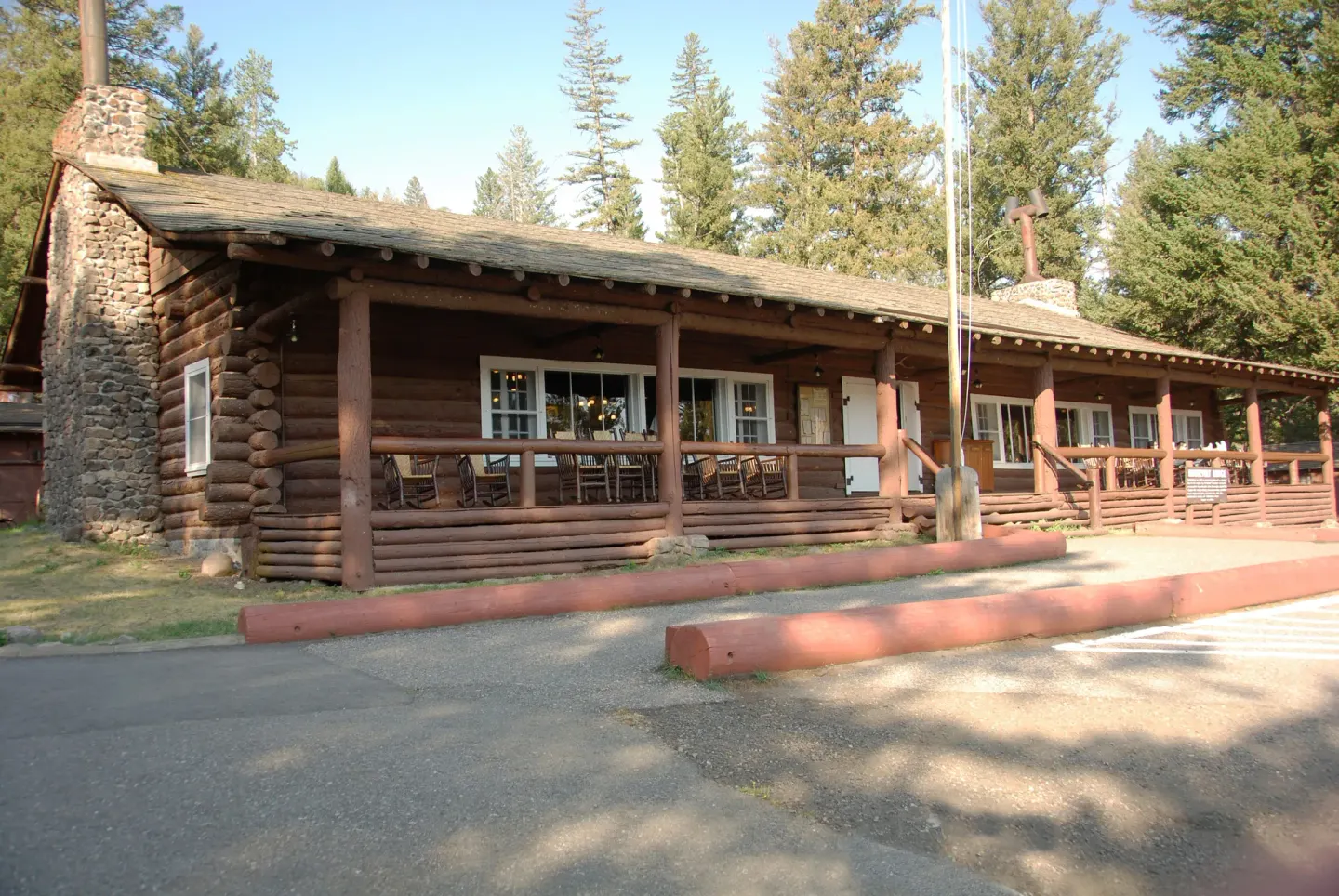
Roosevelt Lodge & Cabins enforces park rules and property policies: cabins are smoke-free, in-room cooking is not allowed, and pets are restricted to designated pet-friendly cabins with leash and distance rules. Guests should follow staff guidance at the 24-hour front desk for safety updates.
Because many Roughrider Cabins share bathhouses and Frontier Cabins are simple rooms without Wi‑Fi, plan communications and early-morning departures accordingly—doors may lock automatically and housekeeping typically begins in the morning.
- Pets: select pet-friendly cabins only; leash and distance rules apply and a nightly pet fee exists.
- House rules: no in-room cooking or smoking; shared bathhouses for Roughrider Cabin guests.
- Front desk: open 24 hours for questions, activity reservations, and safety information.
| Policy | Effect on visitors |
|---|---|
| No in-room cooking/smoking | Plan meals around dining room or picnic area |
| Pet rules | Only designated cabins allow pets; fee and restrictions apply |
| No Wi‑Fi in rooms | Download maps and information before you head out |